
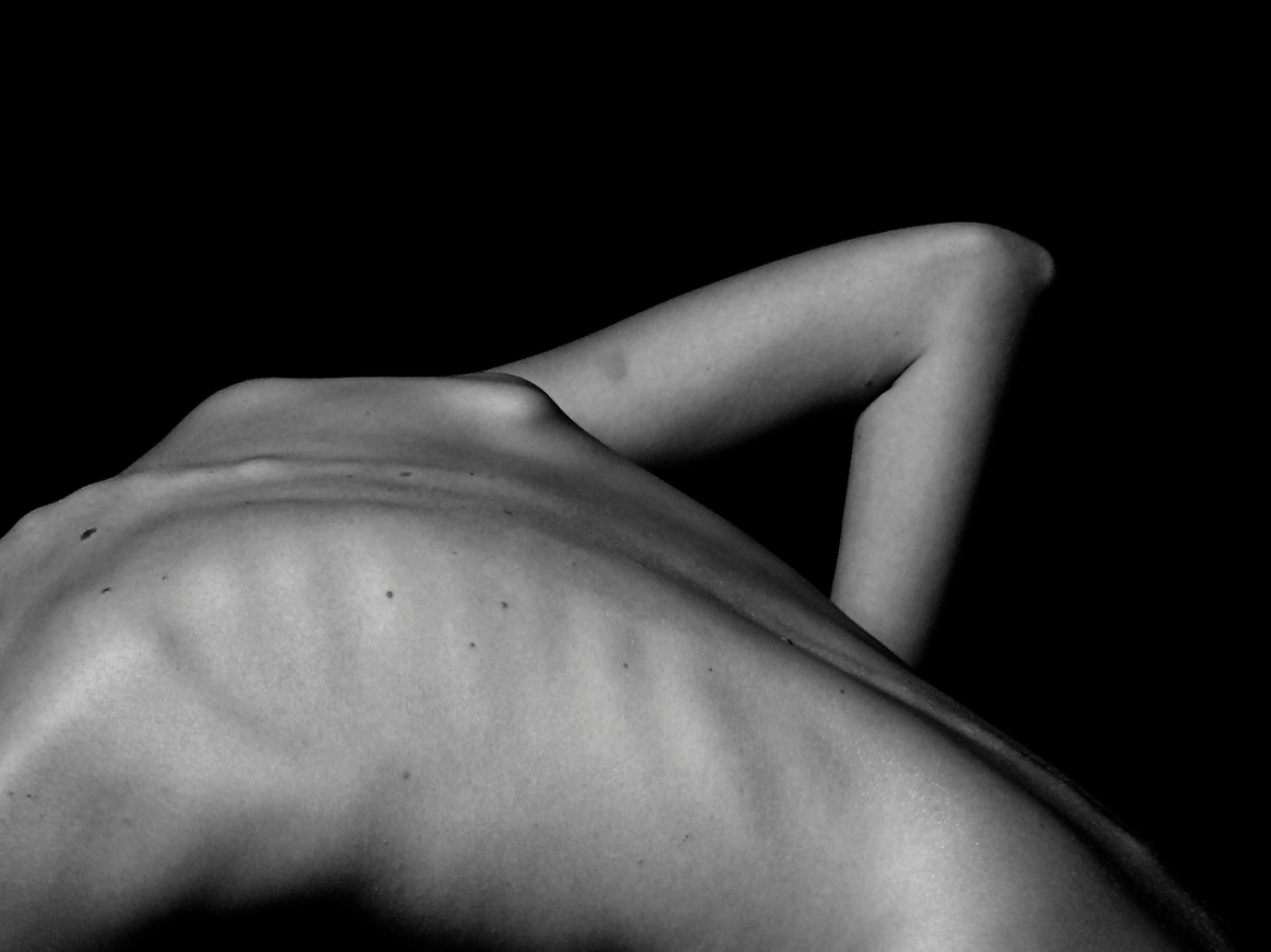
Scoliosis
Whether you’re a parent noticing early signs of scoliosis in your child, an adolescent looking to avoid surgery, or an adult aiming to slow degenerative changes and manage pain from Scoliosis or Kyphosis, we’re here to help.
What is Scoliosis?
Scoliosis is an abnormal lateral curvature of the spine. Instead of running straight, the spine curves sideways, sometimes also rotating which can affect posture, balance, and the way the entire body functions over time.
But scoliosis isn't just a curve on an X-ray. It's uneven shoulders, a rib that sticks out, clothes that never fit right, and a body that feels off no matter what you do. Many people live with it for years without real answers, managing the symptoms while the underlying curve continues to progress. Scoliosis is a structural condition. It deserves a structural answer.
-
0-3 YEARS OF AGE
Infantile scoliosis is an idiopathic scoliosis that affects children from 0 to 3 years of age. It usually begins to develop in the first 6 months of life. Like other types of scoliosis, it is characterized by an abnormal sideways S or C curve of the spine.
Infantile scoliosis is most often seen in boys and accounts for less than 1% of idiopathic cases. The most common curve type is a left curve.
When a right curve is present, particularly in girls, this usually indicates a poorer prognosis. Sometimes these cases can resolve spontaneously, sometimes they can progress to a more severe scoliosis. Depending on the case, the treatment of infantile scoliosis may involve observation, manual therapy, and bracing.
-
4-9 YEARS OF AGE
Juvenile scoliosis is an idiopathic scoliosis that affects children between the ages of 4 and 10. Like other types of scoliosis it is characterized by an abnormal sideways S or C curve of the spine.
Juvenile scoliosis is more often seen in girls than boys. In children between the ages of 4 to 6 years, the rate is fairly equal between the two sexes. However, between the ages of 6 to 10 years, the rate is much higher among girls. It is seen more frequently than infantile idiopathic scoliosis, but it is less common than adolescent idiopathic scoliosis.
Children with juvenile scoliosis generally have a high risk of progression of their curve. Seven out of ten children with this condition will worsen and require active treatment. Juvenile curves almost never resolve spontaneously. They usually require bracing.
-
10-17 YEARS OF AGE
Adolescent idiopathic scoliosis (AIS) is a scoliosis that affects children or adolescents from the age of 10 into young adulthood. Typically it is noticed around 11 to 12 years of age in girls and a little later in boys.
Like other types of scoliosis AIS is characterized by an abnormal sideways S or C curve of the spine. Children with AIS are generally otherwise healthy. AIS is the most common type of scoliosis with approximately 4% of all children between 10 and 18 years old developing it. AIS is more commonly seen in girls than boys – 90% of scoliosis cases are girls. AIS often begins to develop at the initial onset of puberty becoming more apparent as is worsens during growth spurts.
AIS has a better prognosis than juvenile scoliosis, but can still progress to become a significant spinal deformity if it is not detected early and properly managed. It is not uncommon for adolescents with large curves to develop very quickly some back pain. The most effective non-surgical treatment is bracing, and for smaller curves specialized scoliosis specific exercises may be appropriate.
-
18+ YEARS OF AGE
There are two main types of adult scoliosis – pre-existing (usually adolescent scoliosis), which becomes known as Adolescent Scoliosis in Adult (ASA); and the development of a new scoliosis, usually as a result of spinal degeneration. This is known as degenerative de novo scoliosis (DDS).
Adults with ASA may not have previously been diagnosed with adolescent scoliosis. ASA may be progressive or stable, depending on the individual case. In those with a previous diagnosis of AIS, monitoring progression is easy as a comparison of current x-rays to adolescent x-rays can be done. In those where the scoliosis is discovered in adulthood, determining if the scoliosis is a pre-existing adolescent condition or a new onset of degenerative scoliosis can be difficult.
DDS usually develops in middle-aged and older adults and is typically seen starting around 45 years of age onwards. As DDS is a result of degenerative instability, it is almost always progressive. However, the main complaint usually associated with DDS is lower back pain.
Why Treatment For Scoliosis Matters
Scoliosis doesn't stay the same, it progresses. The earlier it's caught and addressed, the more opportunity there is to work with the spine non-invasively, slow the curve, and in many cases make real structural corrections without surgery. When that window is ignored, curves can reach a point where surgery becomes the only option, and with it comes rods, fusions, long recoveries, and for many, a life that still involves pain and limitation. You deserve to know your options before it reaches that point.
About ScoliCare®
KNOWN AS THE MOST ADVANCED NON-SURGICAL TREATMENT FOR CORRECTING SCOLIOSIS AND KYPHOSIS
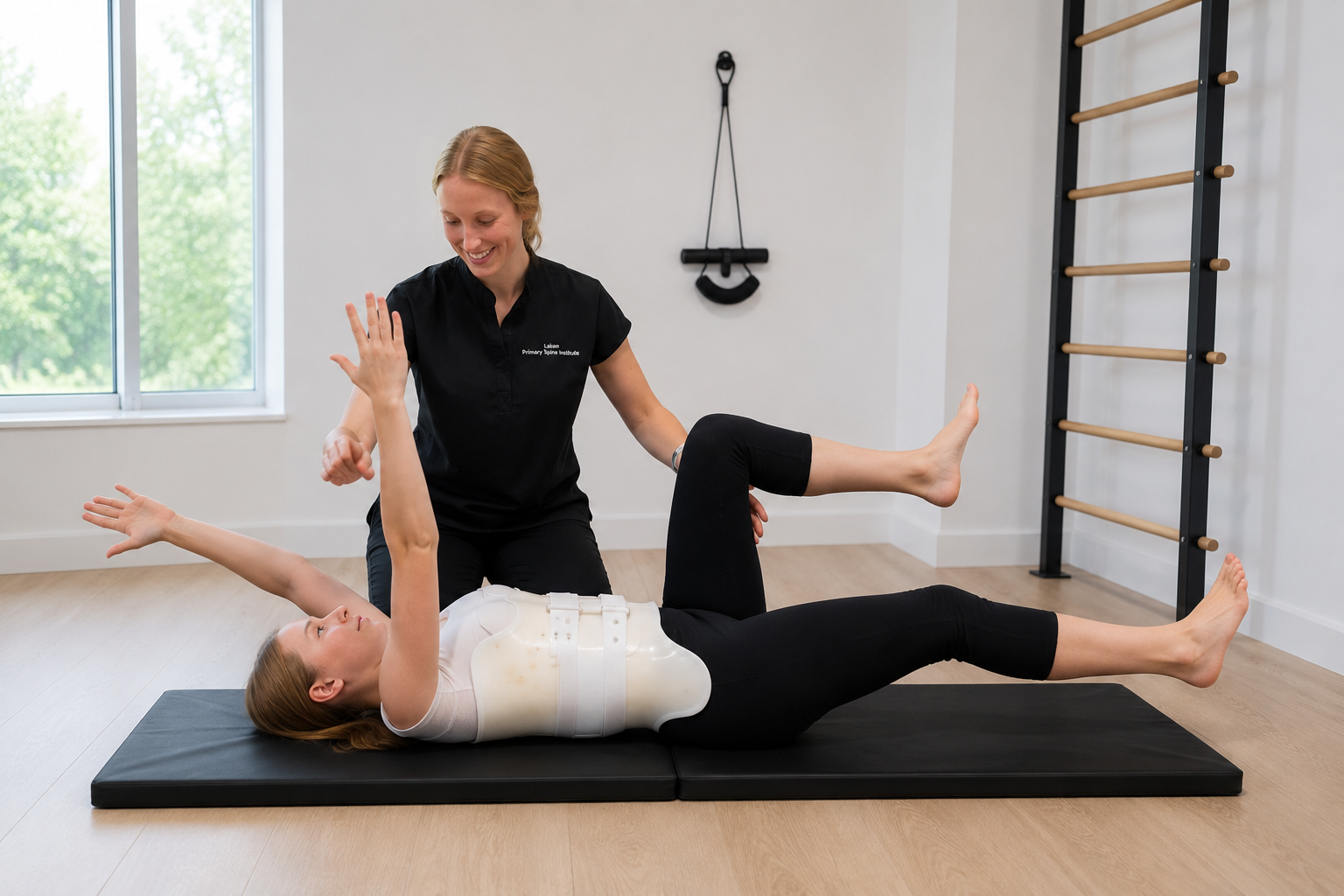
ScoliCare® is setting a new standard in scoliosis care, dedicated to helping patients around the world achieve the best possible results. ScoliCare® certified clinicians are highly trained and experienced in treating scoliosis and kyphosis using an individualized, evidence-based approach. Each patient receives a comprehensive assessment to ensure the most appropriate treatment recommendations, including:
BraceScan®: a proprietary 3D scanning technology
ScoliBrace®: a unique custom 3D Scoliosis Bracing System
ScoliBalance®: a scoliosis-specific exercise program
ScoliBrace®
CUSTOM BRACING SYSTEM
ScoliBrace® is an evidence-based, non-surgical treatment for scoliosis in children, adolescents and adults only available through certified ScoliBrace® Providers.
-
This unique bracing approach brings together the latest technology, evidence-based techniques and experienced clinicians to achieve the best possible outcome for patients with scoliosis. No two braces are the same, and your customized brace is as unique as your spine.Rather than following the traditional approach of immobilizing the spine with a brace, the ScoliBrace® system is designed to provide individualized correction that improves spinal alignment and overall posture while the brace is worn.
ScoliBrace's® over-corrective design harnesses spinal coupling rather than traditional three-point pressure to guide the body into a more balanced three-dimensional posture. In this position, the brace works to retrain the neurological connection between the brain, joints, and muscles that controls posture. Over time, this process helps the body adapt to a “new normal,” ideally supporting a straighter spinal position.
ScoliBalance®
Our approach to Exercise
ScoliBalance® is an exercise approach that provides the patient with an individualised, scoliosis-specific program based on their curve type and postural characteristics.
-
Patients first learn a personalized three-dimensional posture correction called ScoliCorrection®, which positions the spine in its most optimal alignment. They then perform targeted ScoliExercises® while maintaining this corrected posture, helping reinforce proper positioning and muscle engagement.As the patient becomes more familiar with the program, they are taught to integrate the ScoliCorrection® into their daily activities. This helps to subconsciously train the body to hold the ScoliCorrection® helping to reduce or stabilize the scoliosis curve. This will continue to bring patient’s spines more flexibility and maintain lifelong results.
PATIENT SUCESSES

Results You Can See. Changes That Last.
Before and after isn't just a photo, it's a measured, documented structural shift. This is what correction looks like.
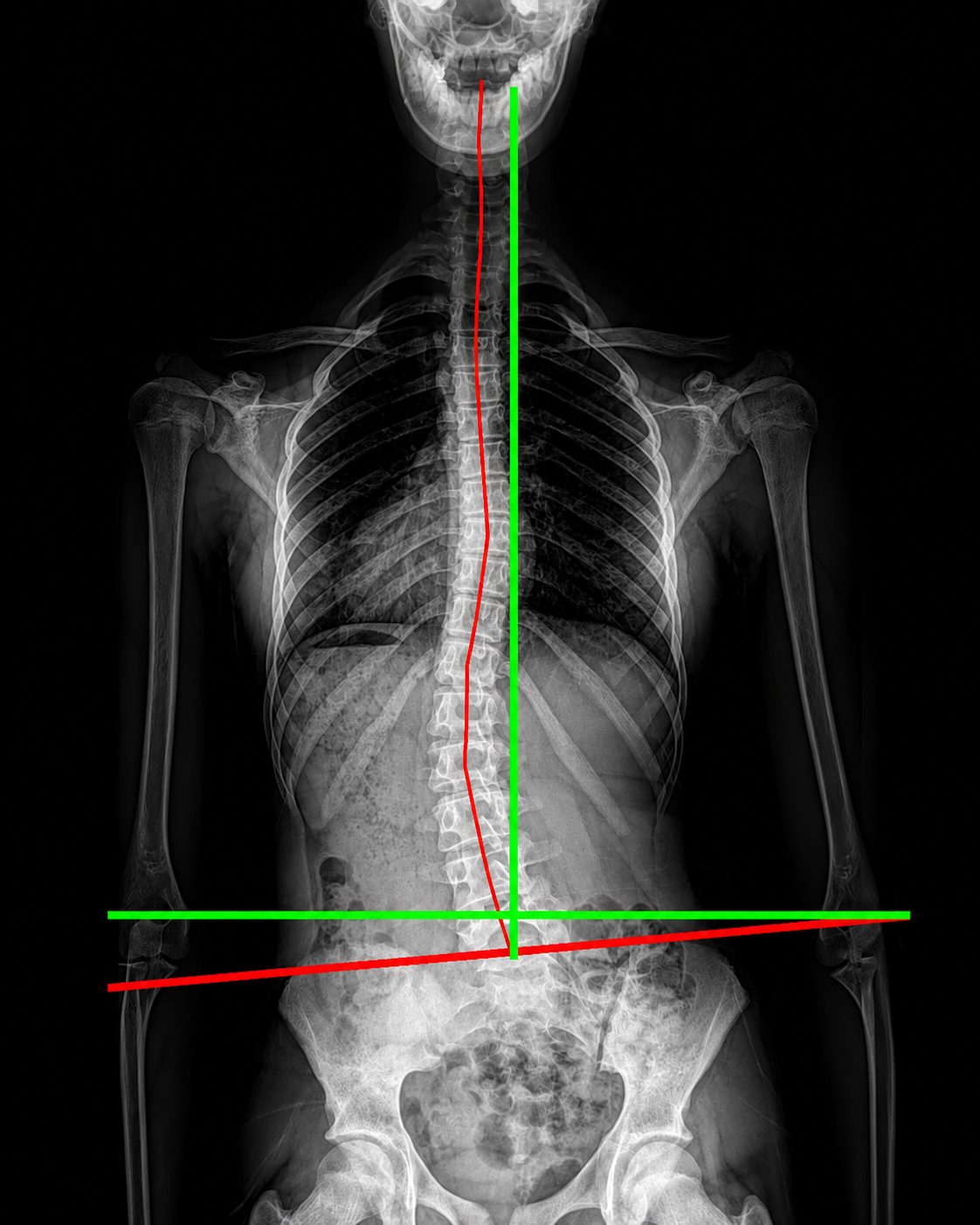
25° BEFORE THE SCOLIBRACE
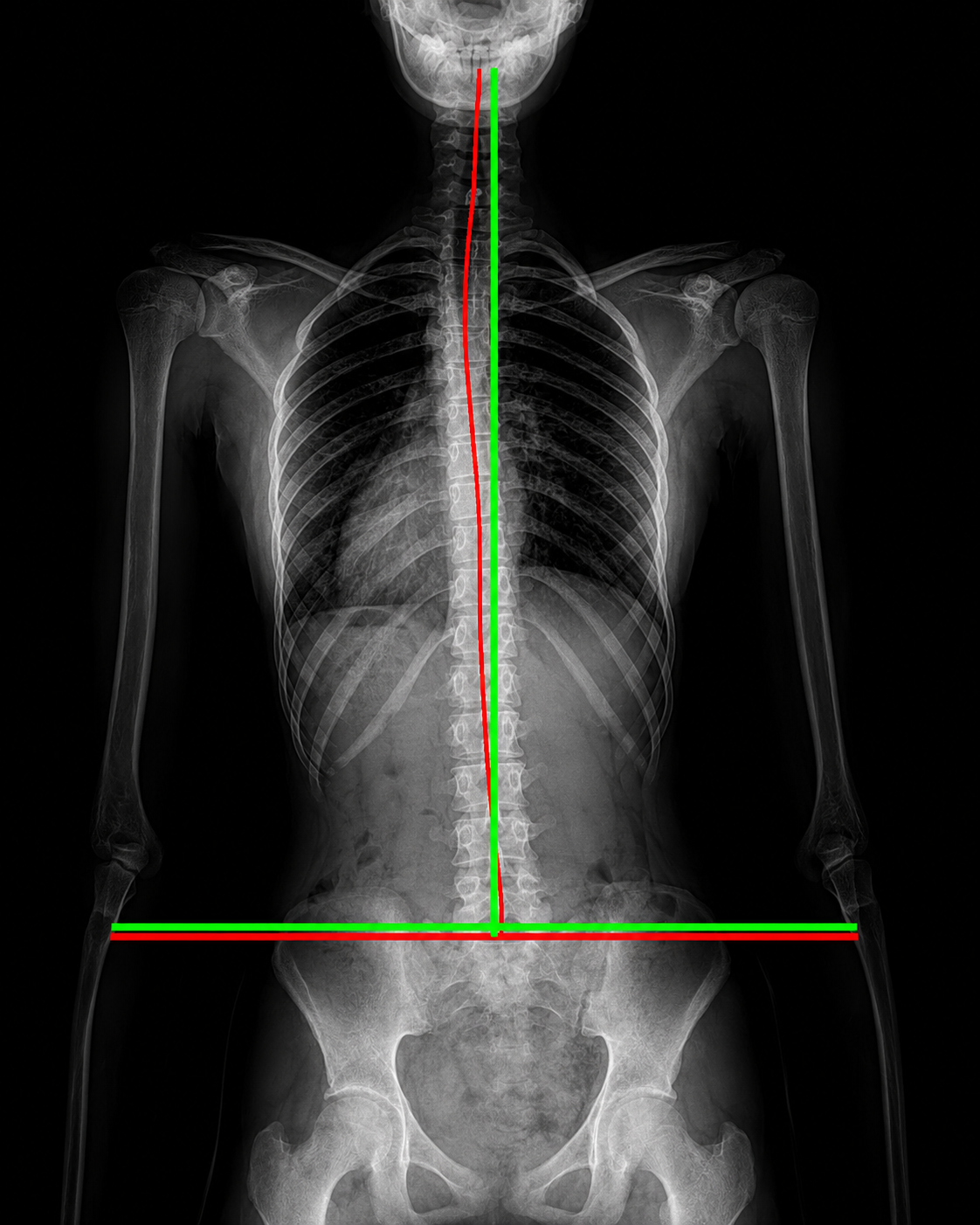
1° AFTER 6 MONTHS IN SCOLIBRACE
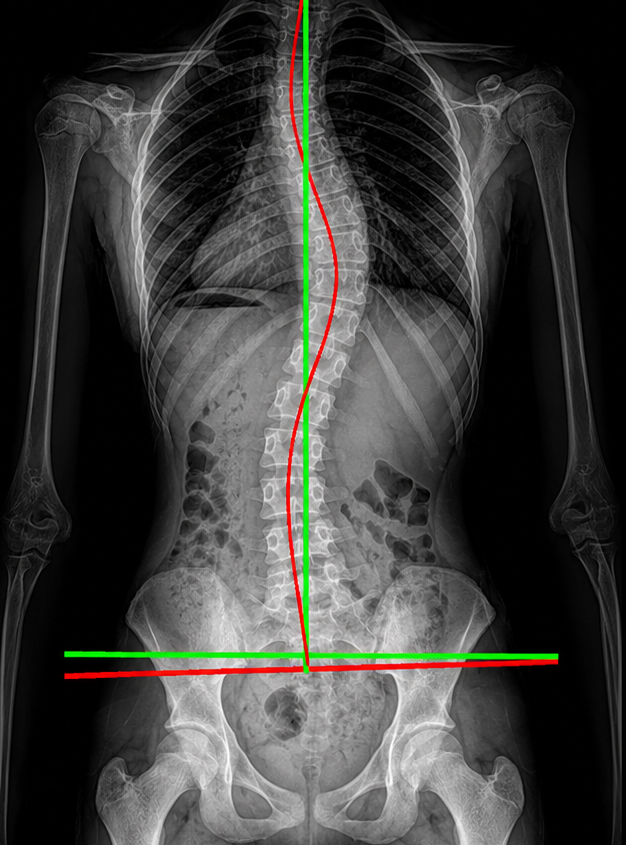
46° BEFORE THE SCOLIBRACE
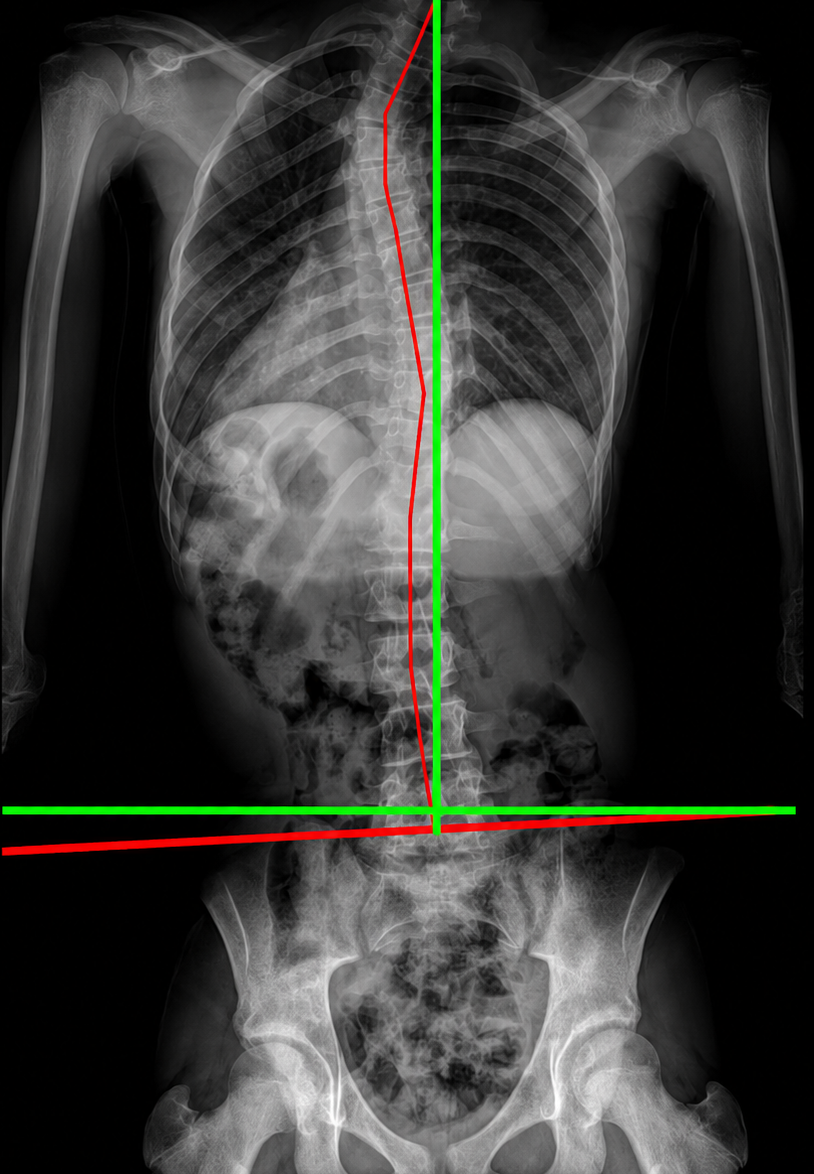
16° AFTER 9 MONTHS IN SCOLIBRACE
WORDS FROM OUR PATIENTS